You've Always Belonged

You've Always Belonged

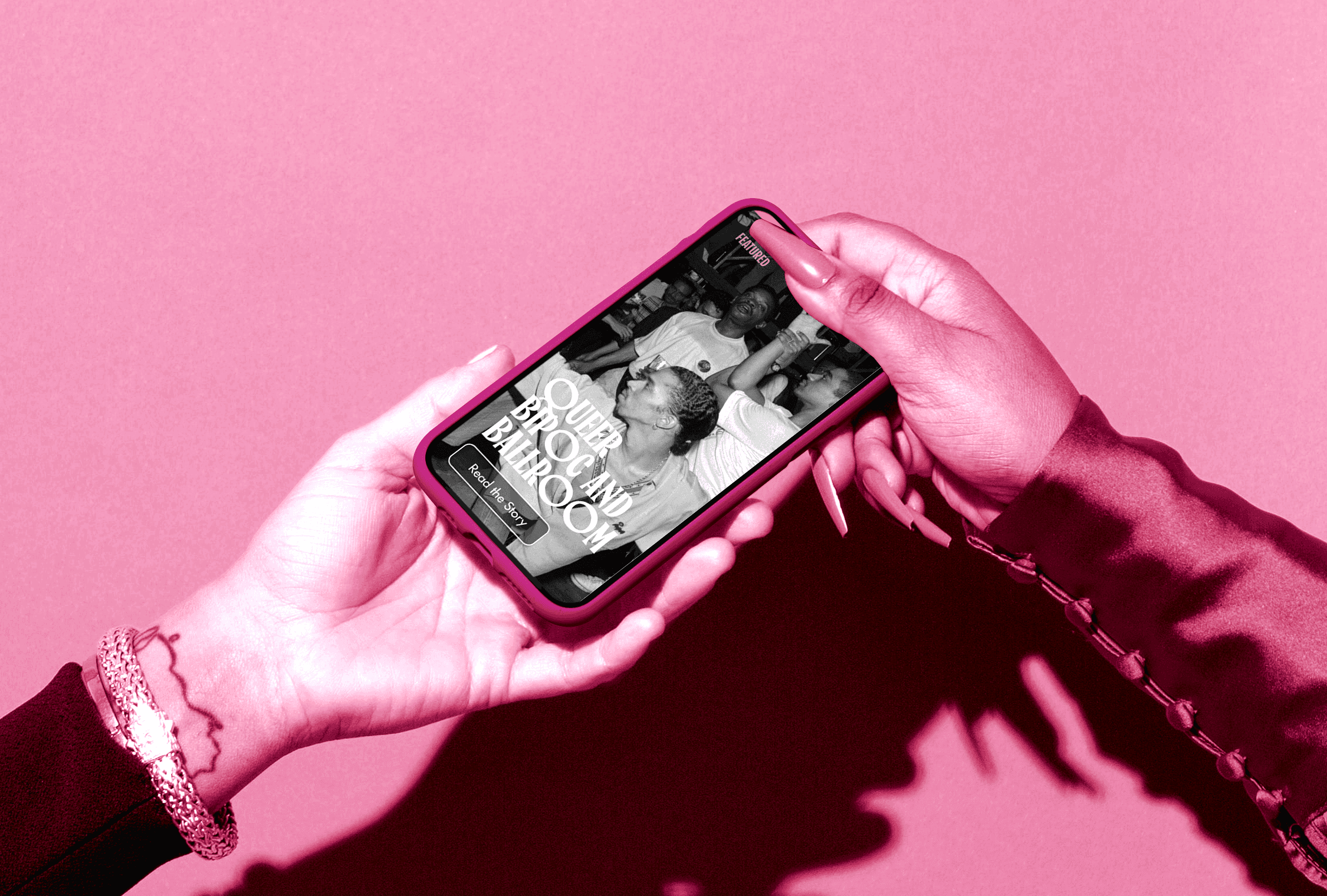
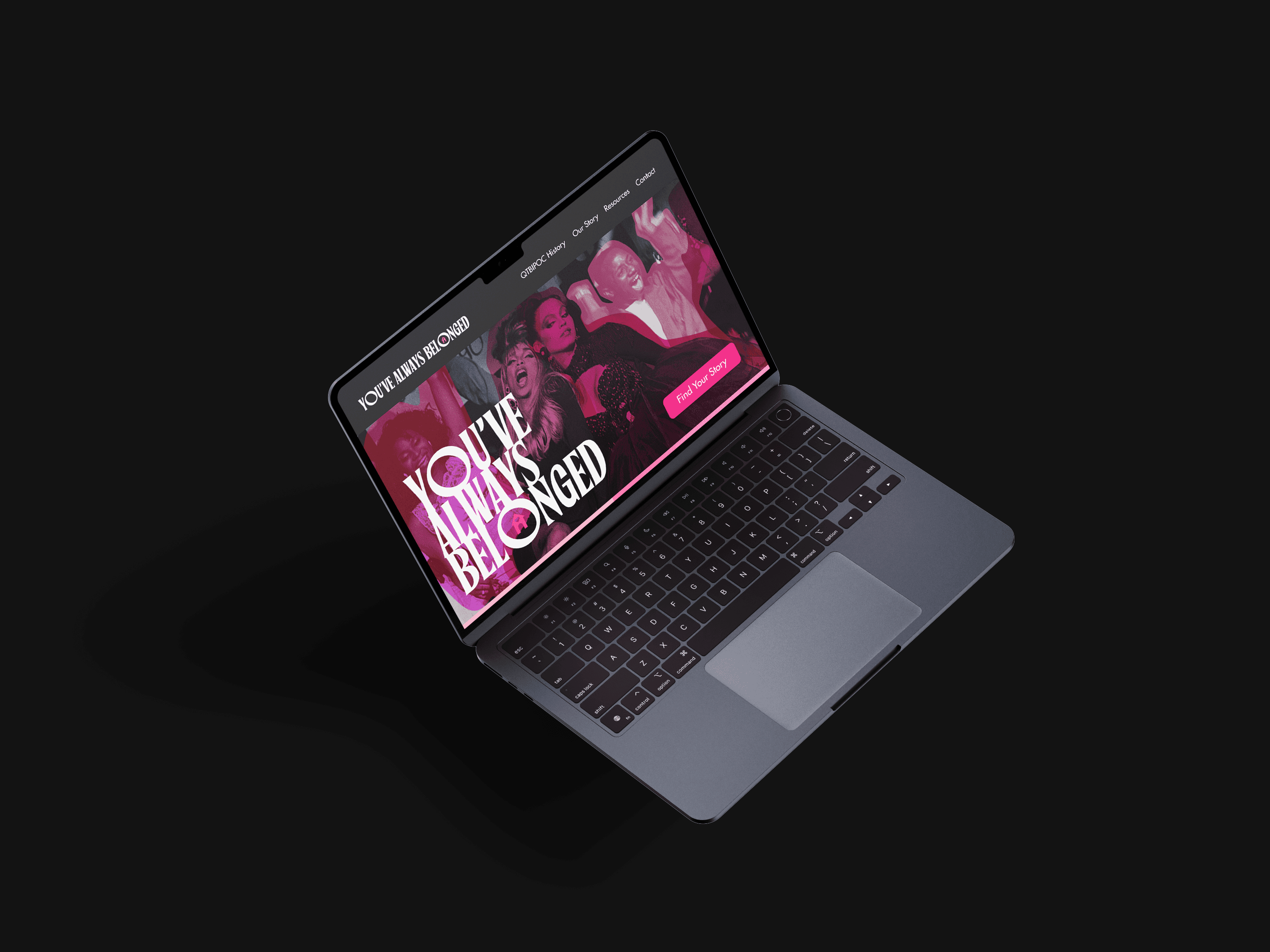
You've Always Belonged is an imagined campaign project, spanning print, digital, and environmental mediums. It holds space for and aims to educate BIPOC Queer youth, who have known what it’s like to feel isolated in their intersectional identities, by highlighting Queer & Trans BIPOC (QTBIPOC) history. Reminding folks that there are spaces where they belong in all their BIPOC queer joy, and that there always have been.

Photo/Content Sources:
It's Nice That
Chantal Regnault
Google Arts & Culture: Ballroom History
Van Vogue Jam: Vogue History

YEAR

Fall 2024

SCOPE

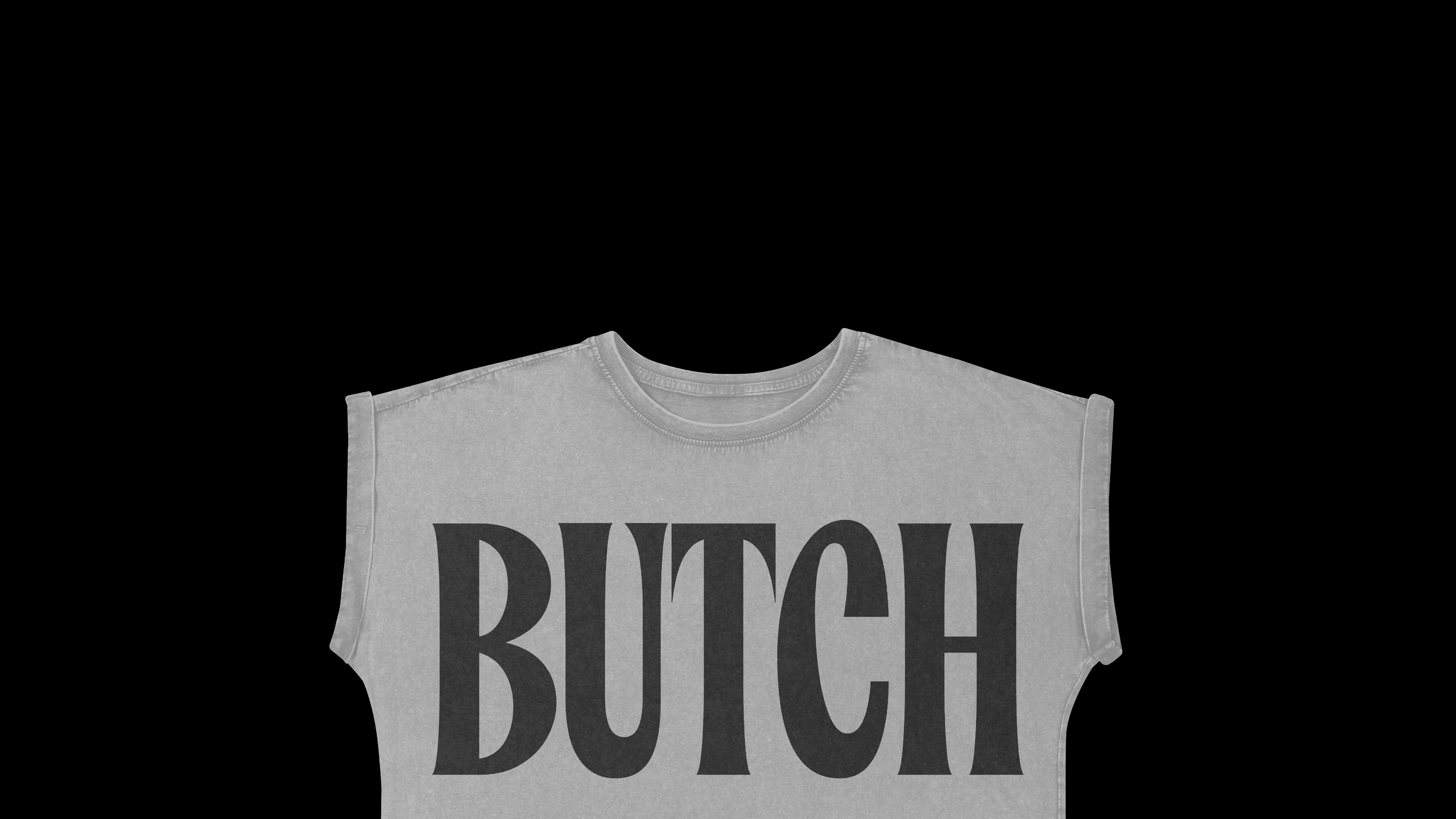
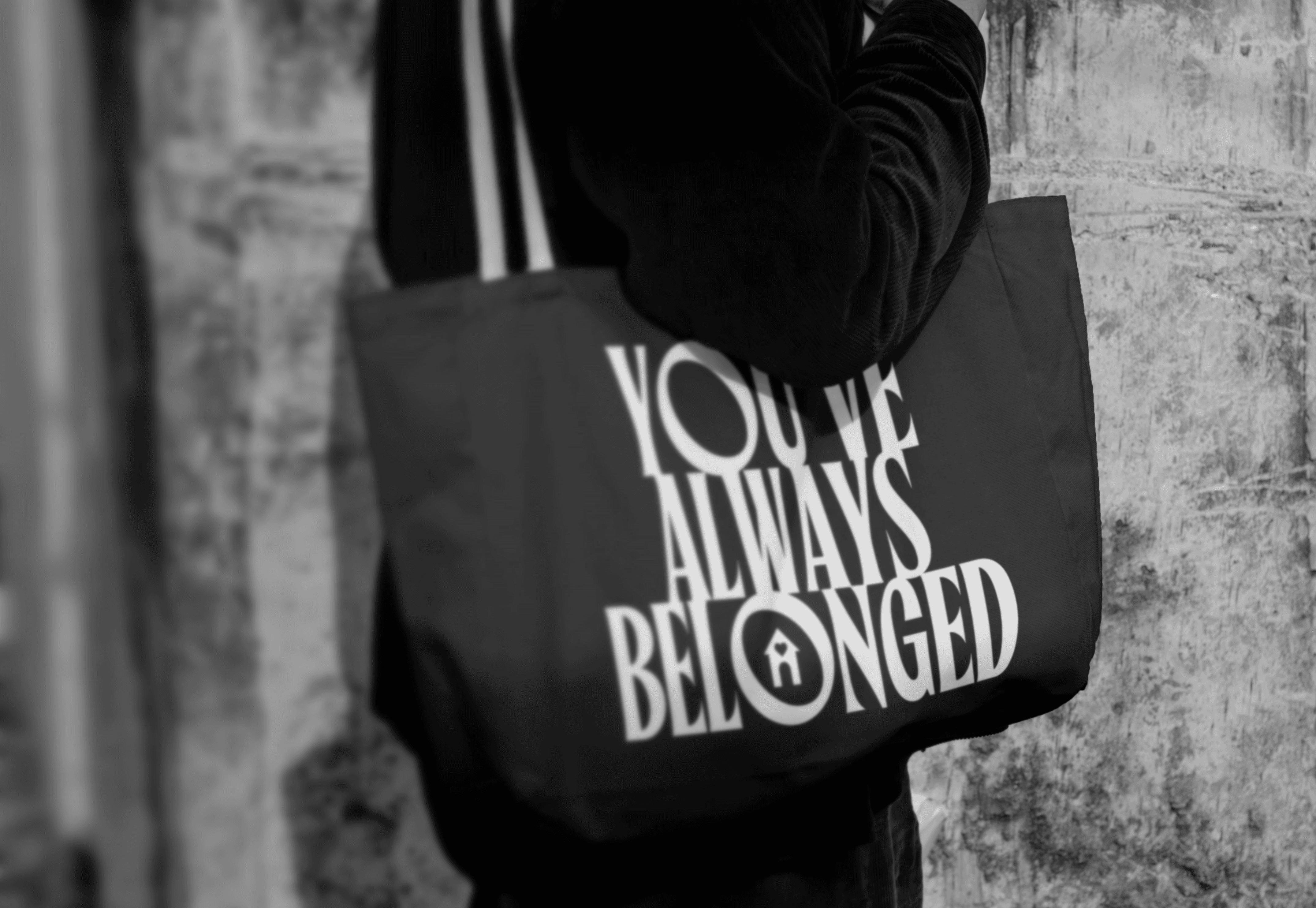
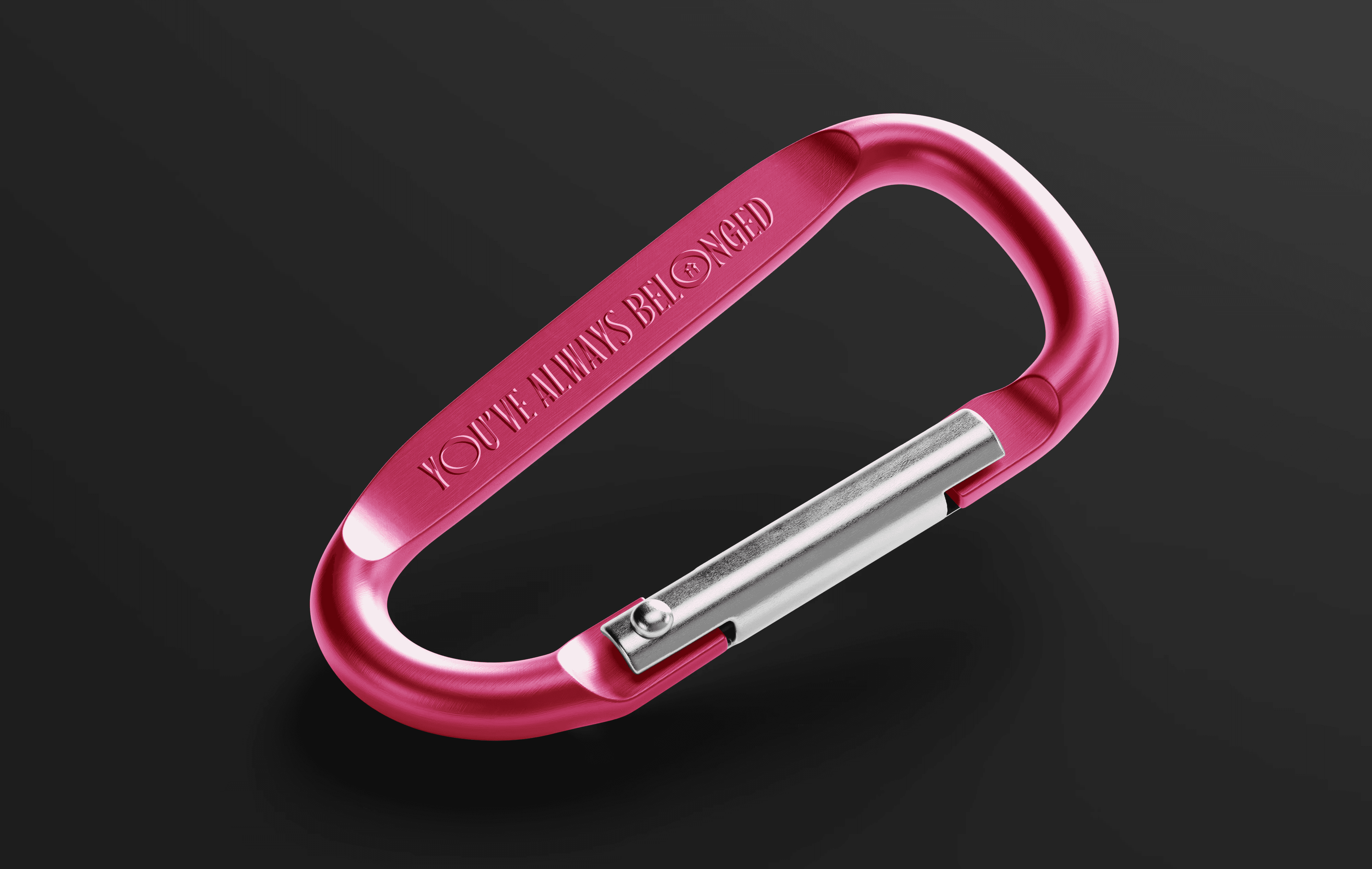
Art Direction, Publication, Web, Print Collateral, Merch, EGD

On the House


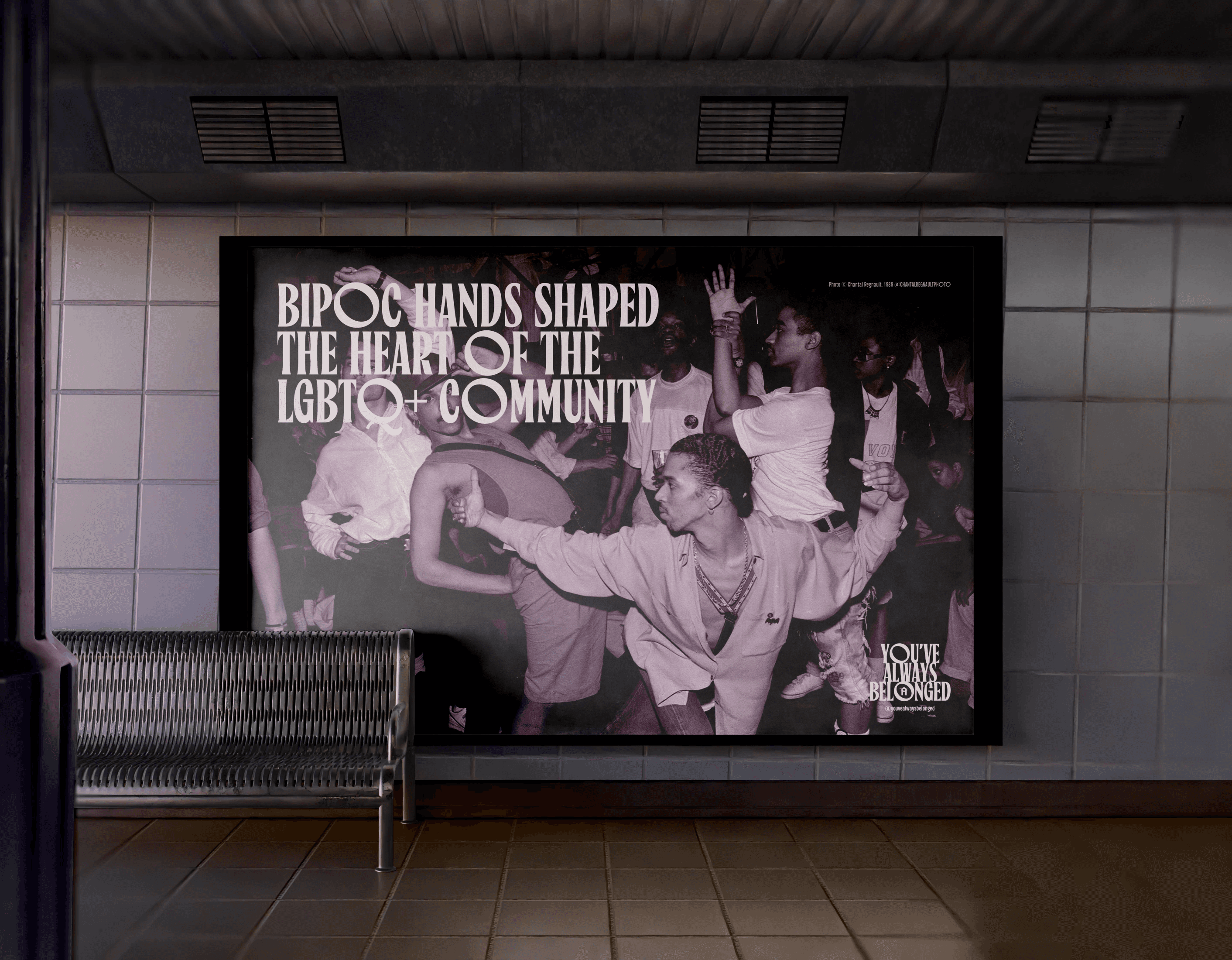
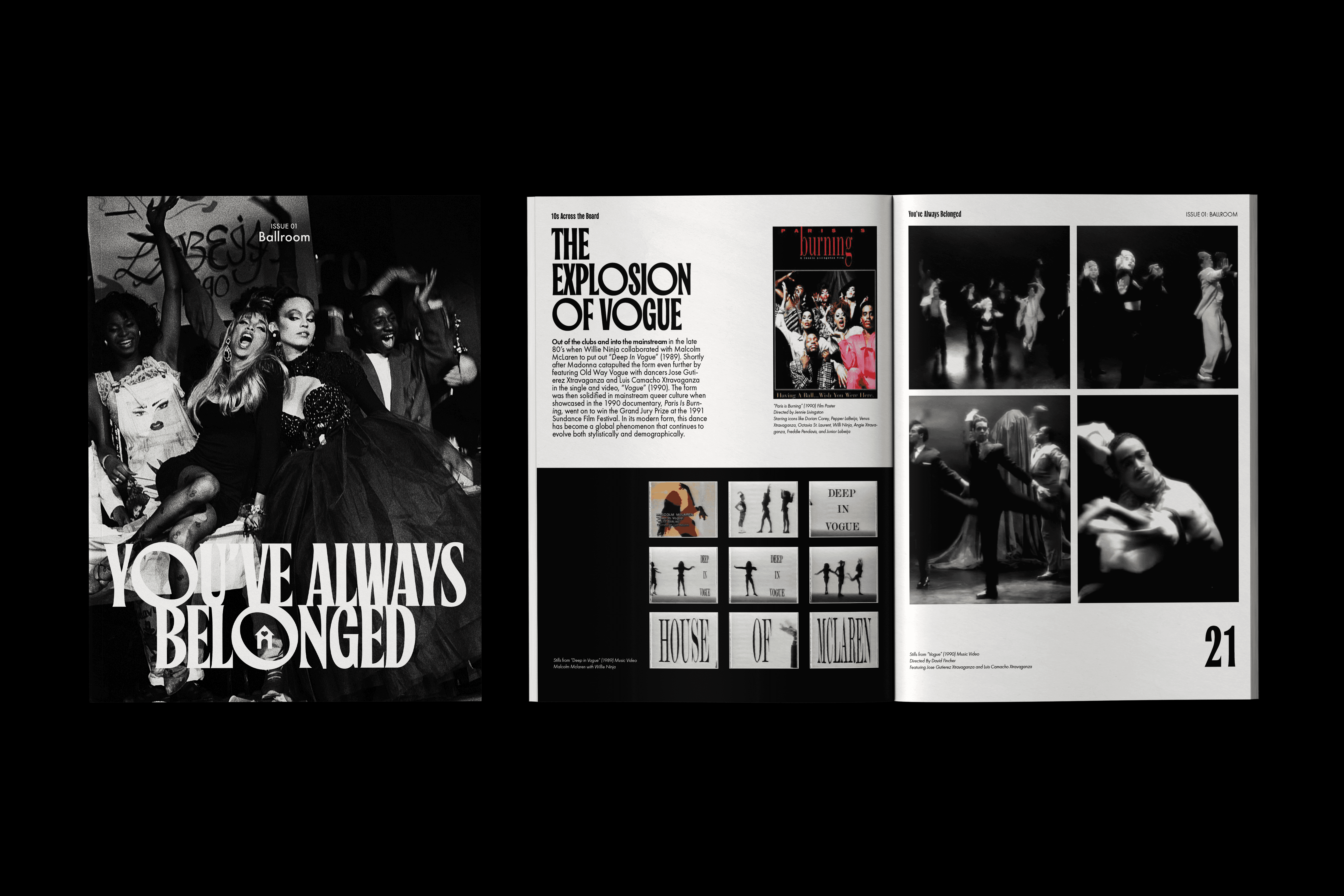
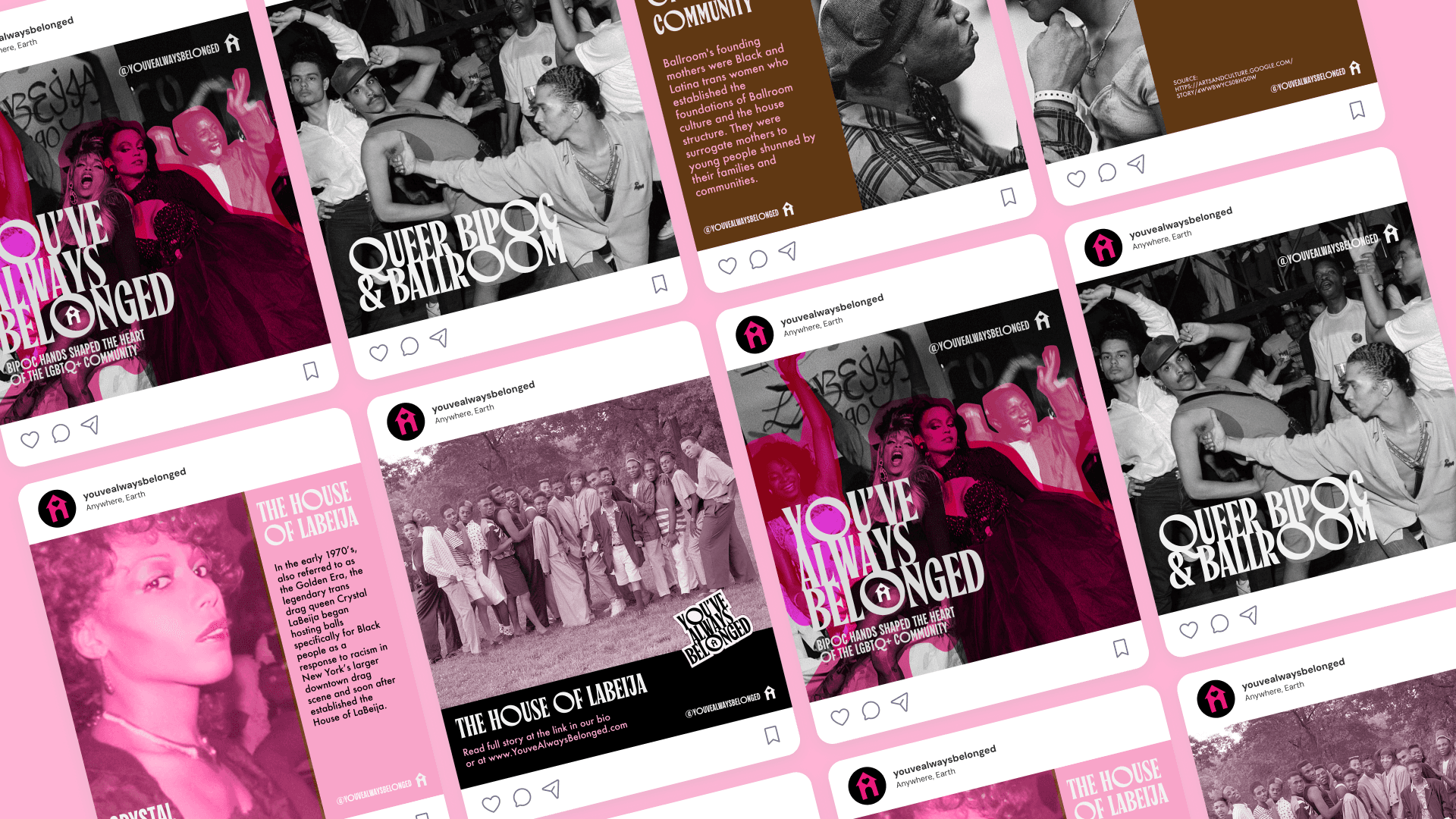
The You've Always Belonged hero poster image, Chantal Regnault: Modavia LaBeija, Octavia Saint Lauren, and Carmen Xtravaganza, House of LaBeija Ball (Copyright © Chantal Regnault, 1989) was chosen to show that QTBIPOC folk have existed and taken up space throughout history, in this case specifically by celebrating their establishment of the ballroom scene in the 60's (yes, that early)—80's.


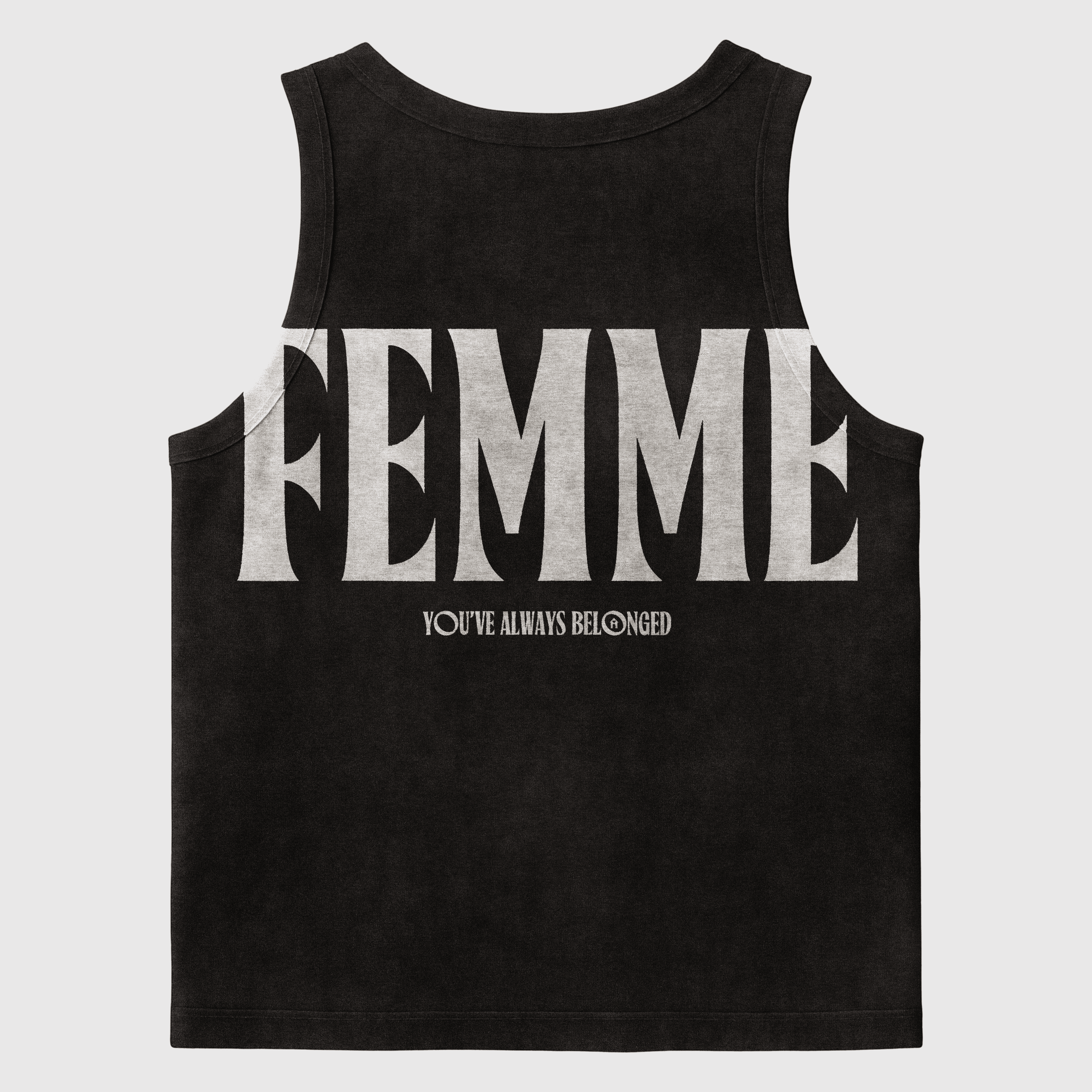
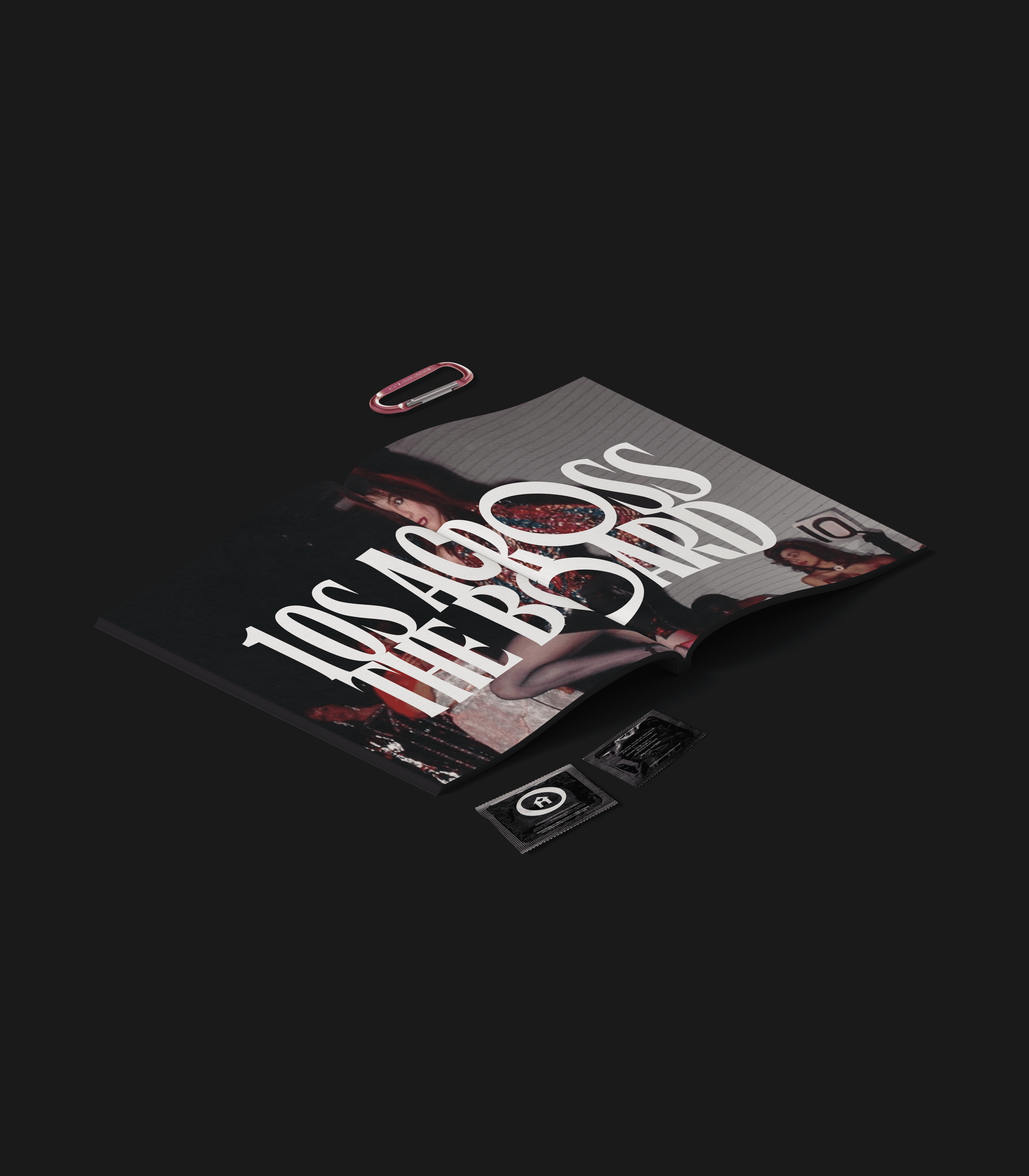
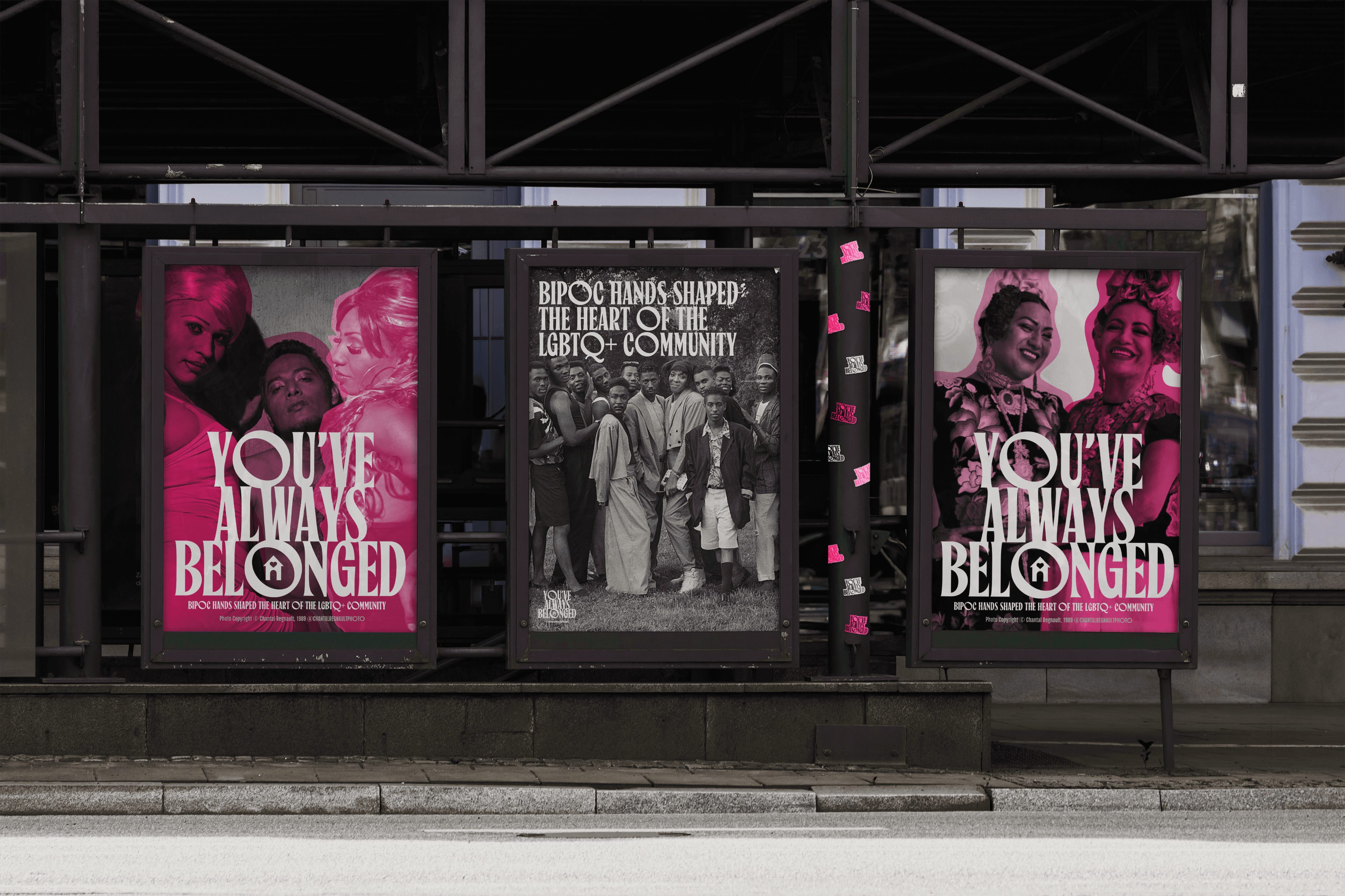
Historically, queer design (Ball posters, humanitarian efforts, sex-ed pamphlets) has featured humanist-like typefaces, more often actually handwritten. This inspired the choice of Salo Bold, a serif font chock-full of bold personality, as the campaign's display typeface, continuing to pay homage to that history.


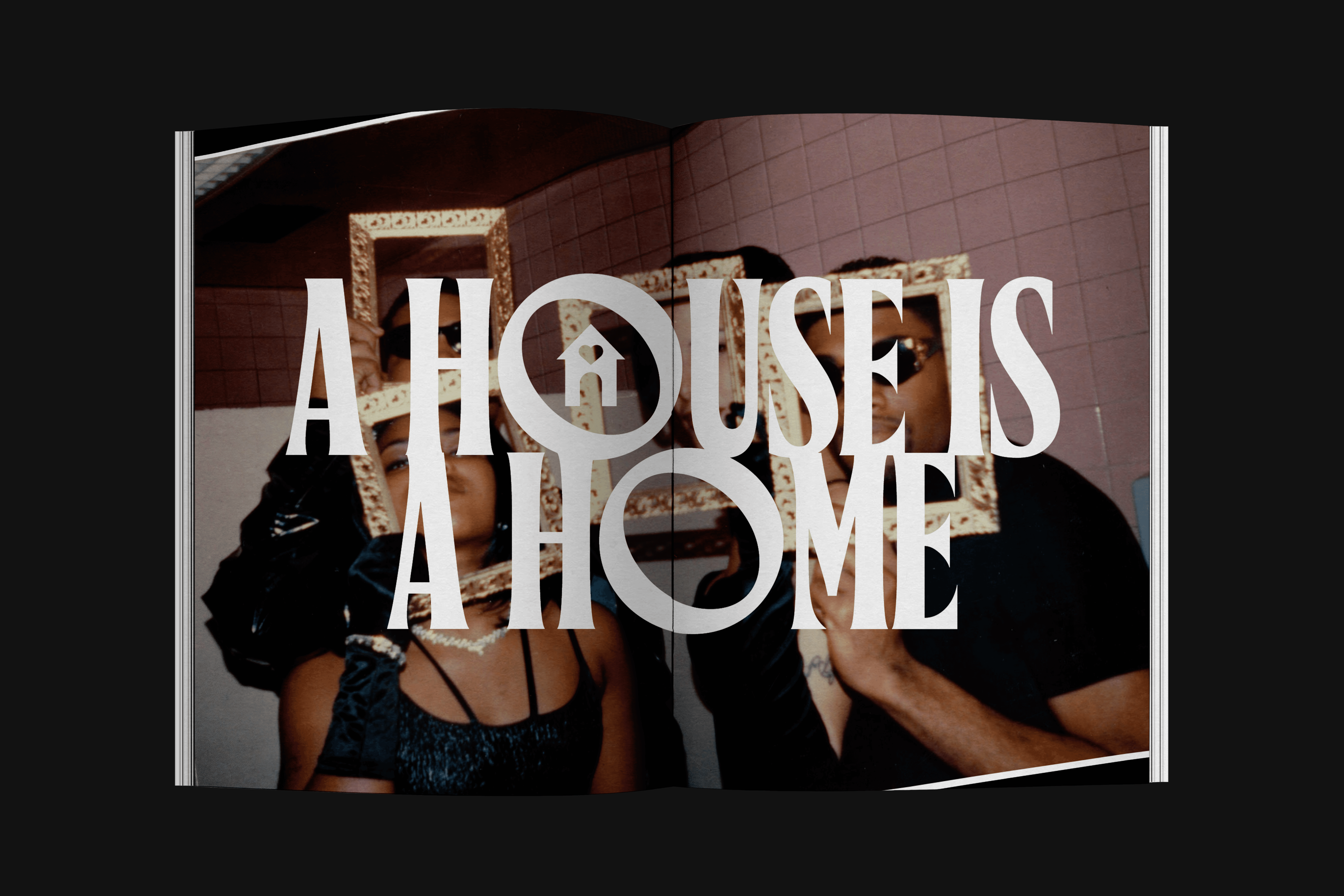
In ballroom culture, Queens, Kings (and everything in between) are members of "houses", where a pioneering "house mother" opens her home, metaphorical or physical, to accept folks who have been otherwise exiled by their blood-related families. Once folks become "members" they are then identified by their house or found family by using their house name. "The House of Labeija", of pioneering mother Crystal LaBeija, is featured in the campaign's main image. I referenced the concept of the house in the campaign lockup with the small white house inside the "O" in "Belonged".
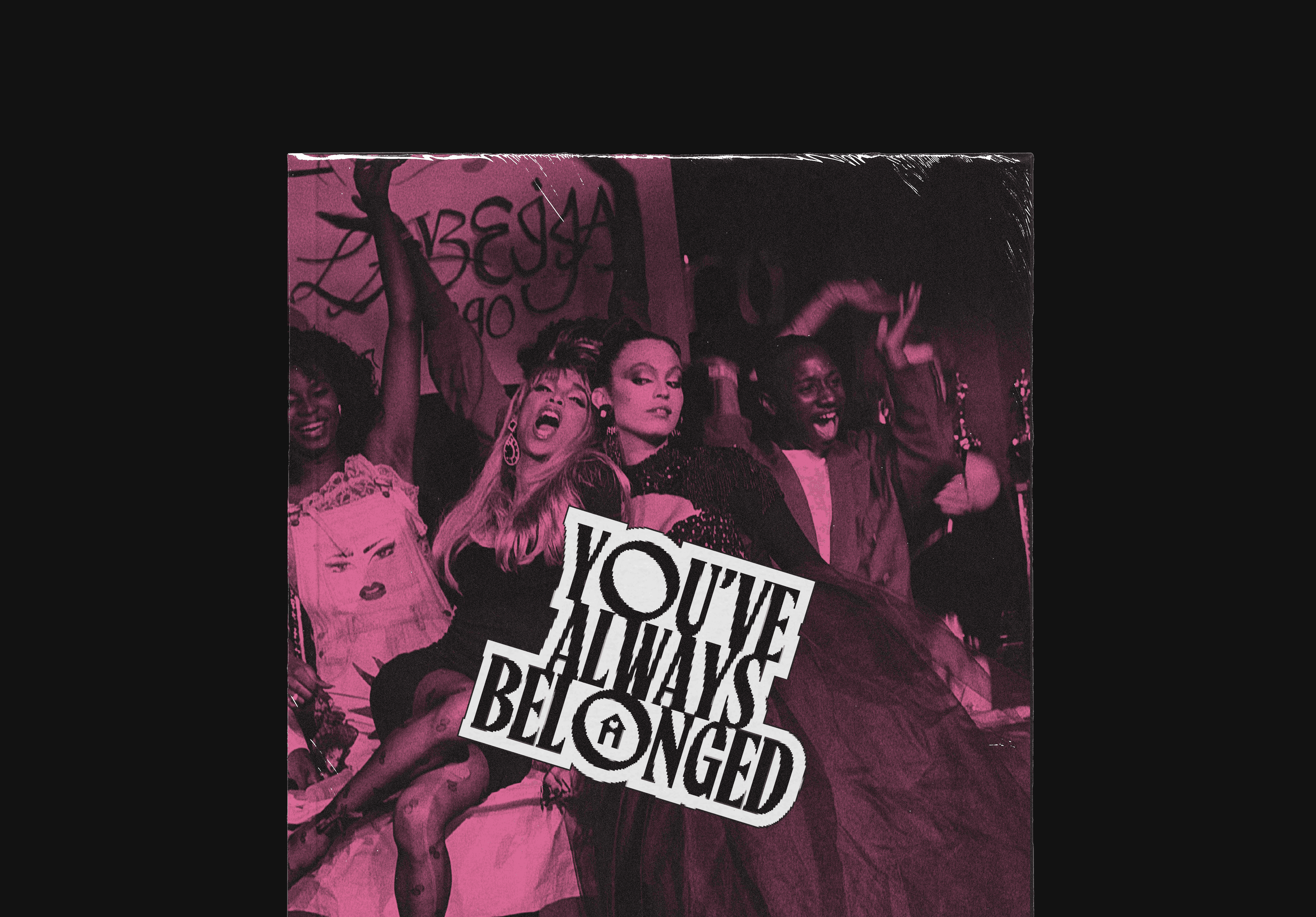
On the House


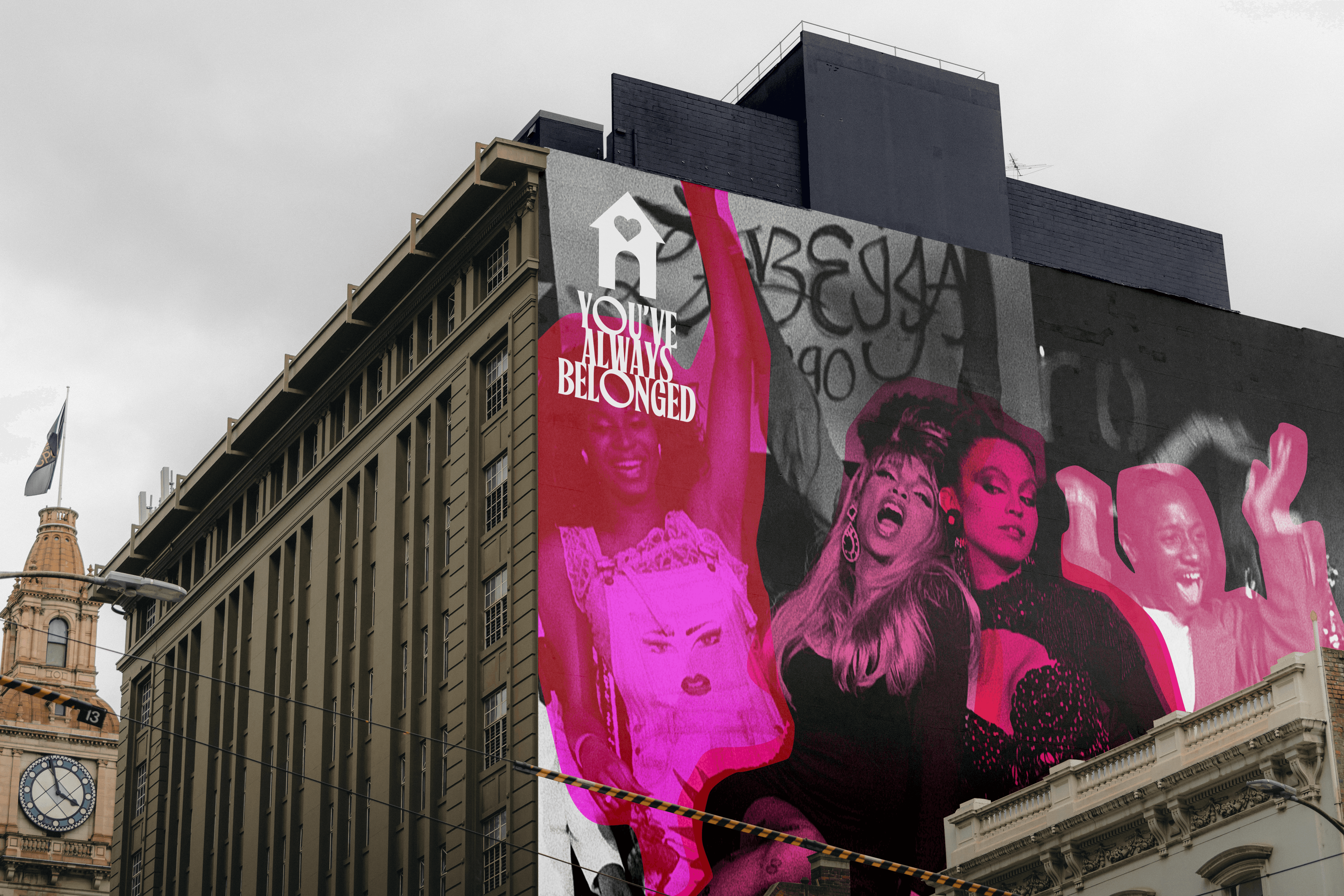
The You've Always Belonged hero poster image, Chantal Regnault: Modavia LaBeija, Octavia Saint Lauren, and Carmen Xtravaganza, House of LaBeija Ball (Copyright © Chantal Regnault, 1989) was chosen to show that QTBIPOC folk have existed and taken up space throughout history, in this case specifically by celebrating their establishment of the ballroom scene in the 60's (yes, that early)—80's.


Historically, queer design (Ball posters, humanitarian efforts, sex-ed pamphlets) has featured humanist-like typefaces, more often actually handwritten. This inspired the choice of Salo Bold, a serif font chock-full of bold personality, as the campaign's display typeface, continuing to pay homage to that history.


In ballroom culture, Queens, Kings (and everything in between) are members of "houses", where a pioneering "house mother" opens her home, metaphorical or physical, to accept folks who have been otherwise exiled by their blood-related families. Once folks become "members" they are then identified by their house or found family by using their house name. "The House of Labeija", of pioneering mother Crystal LaBeija, is featured in the campaign's main image. I referenced the concept of the house in the campaign lockup with the small white house inside the "O" in "Belonged".
On the Magazine — Issue 01: Ballroom


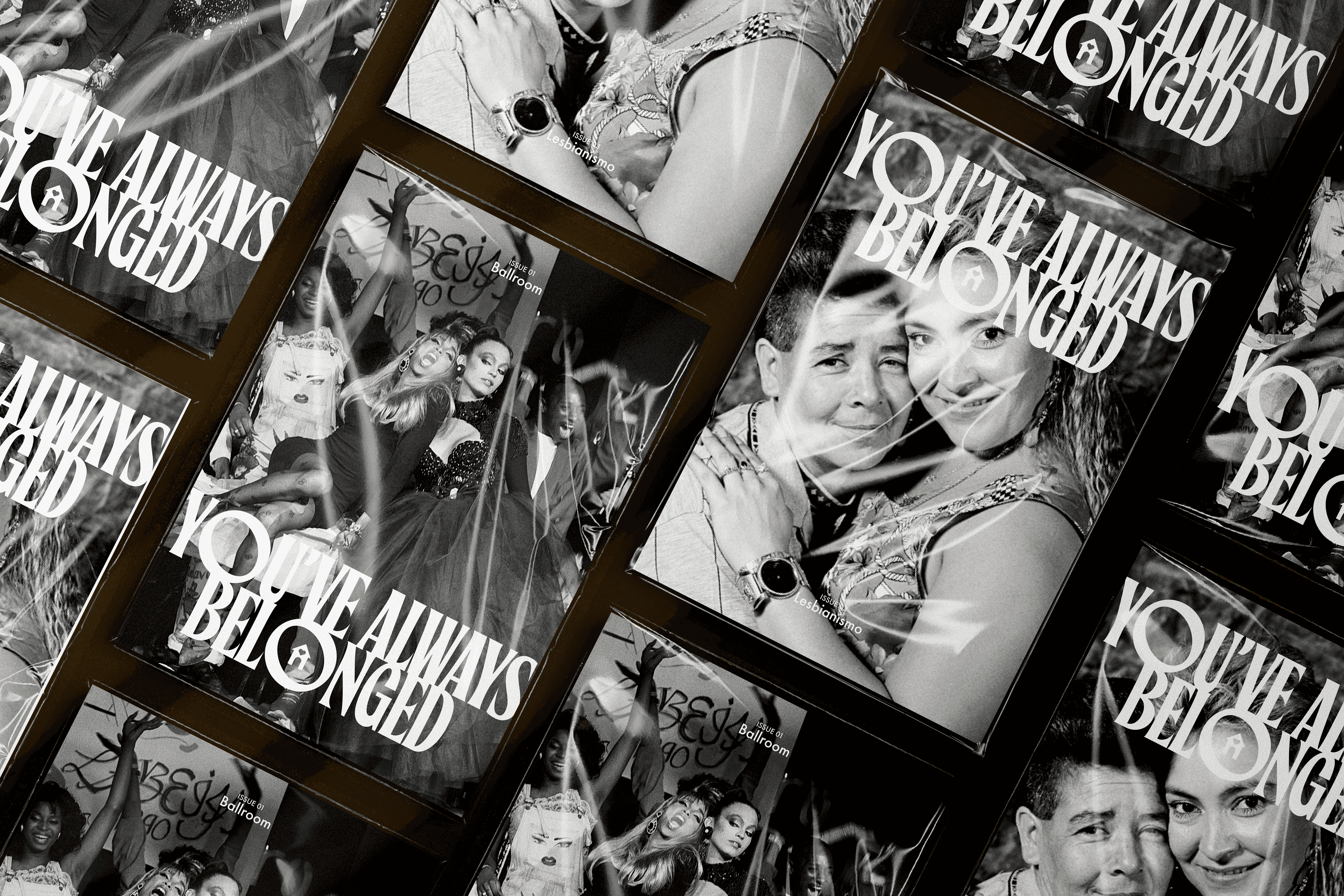
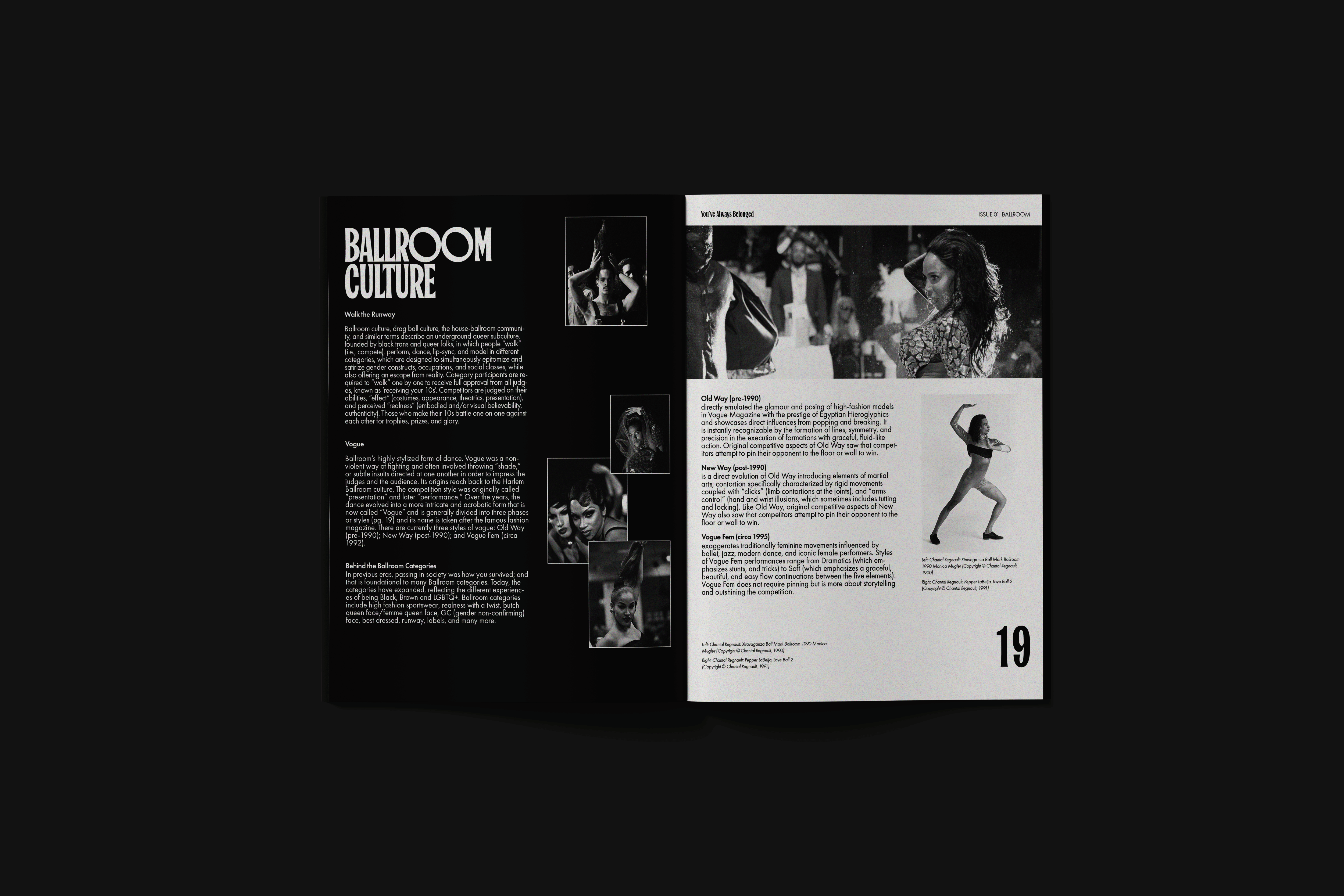
The You've Always Belonged campaign was first inspired by ballroom culture. This issue of the magazine was designed to celebrate the history and origins of ballroom, highlight the scene's Black and Brown pioneers, and look towards the future of the community.


As part of the imagined campaign, the idea would be that future issues of the series highlighting many more historically underrepresented intersectional communities (Muxes communities in Mexico, "Ladyboy" communities in Thailand, etc.)


Scroll through the full issue here.

On the Magazine — Issue 01: Ballroom


The You've Always Belonged campaign was first inspired by ballroom culture. This issue of the magazine was designed to celebrate the history and origins of ballroom, highlight the scene's Black and Brown pioneers, and look towards the future of the community.


As part of the imagined campaign, the idea would be that future issues of the series highlighting many more historically underrepresented intersectional communities (Muxes communities in Mexico, "Ladyboy" communities in Thailand, etc.)


Scroll through the full issue here.